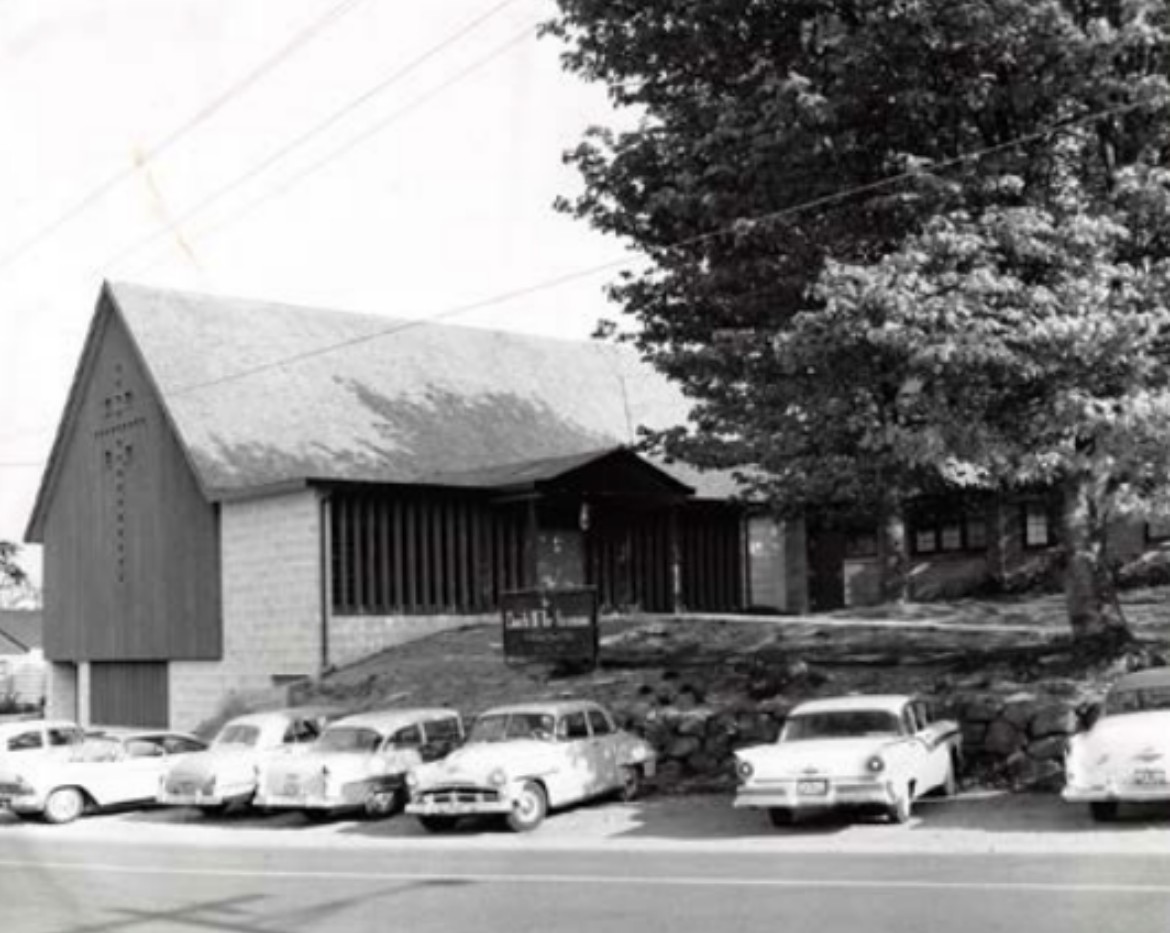
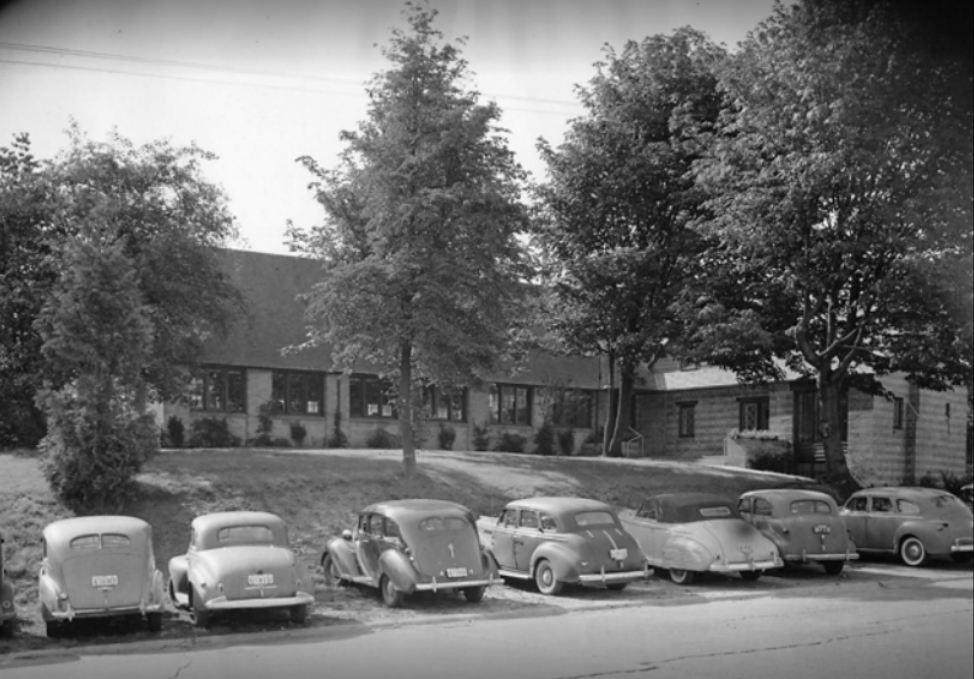
In 1938, The Rev. Walter Horn, newly appointed rector of St. Paul’s Episcopal Parish on Queen Anne Hill, saw the potential and the need for a mission in the neighboring Magnolia community. A group of Episcopalians became the nucleus for a community church which included Lutherans, Congregationalists, Presbyterians, and Methodists. Services were held in the Non-Commissioned Officers’ Club and, later, at the Post Theater at Ft. Lawton. Dan Ferry, lay assistant at St. Paul’s, conducted the services.
In 1940, Bishop S. Arthur Huston laid the cornerstone for “St. Paul’s Chapel of the Ascension.” Fr. Horn continued his paternal supervision. The first services in the new building were held in 1941. Pews were constructed in the basement of the home of one of the parishioners. Landscaping was started by contributions of trees and shrubs from members’ gardens. The Rev. Dr. Harrison H. Black was vicar from 1944-45. A rectory wing was added to the original building and occupied by The Rev. Alfred Rogers and his family from 1945-50.
In 1948, the mission was released from the sponsorship of St. Paul’s and gained parish status. In October 1950, The Rev. Poland Miller was called to be rector. His immediate goal was to complete the church building to accommodate the growing congregation. On Palm Sunday, 1958, Eucharist was celebrated in the new building. The mortgage was burned nine years later in 1967.
The Rev. H. Frederick McLauchlan came to Ascension in 1976. His father, The Very Rev. John D. McLauchlan, had been Dean of St. Mark’s Cathedral, Seattle. The Rev. Daniel H. Ferry returned to Ascension as Associate Priest in 1983. After rewarding years for Ascension, Fr McLauchlan retired in 1989.
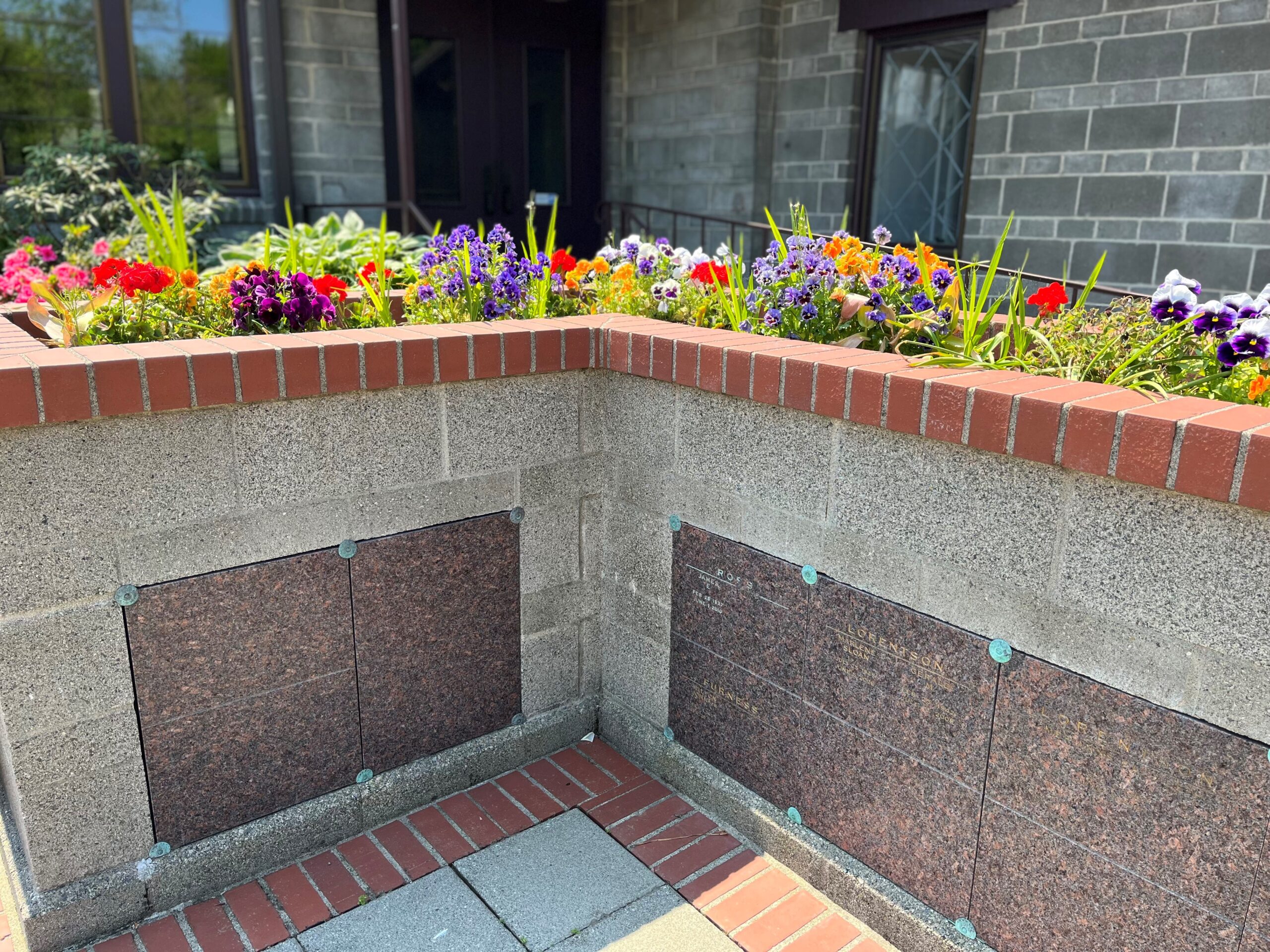
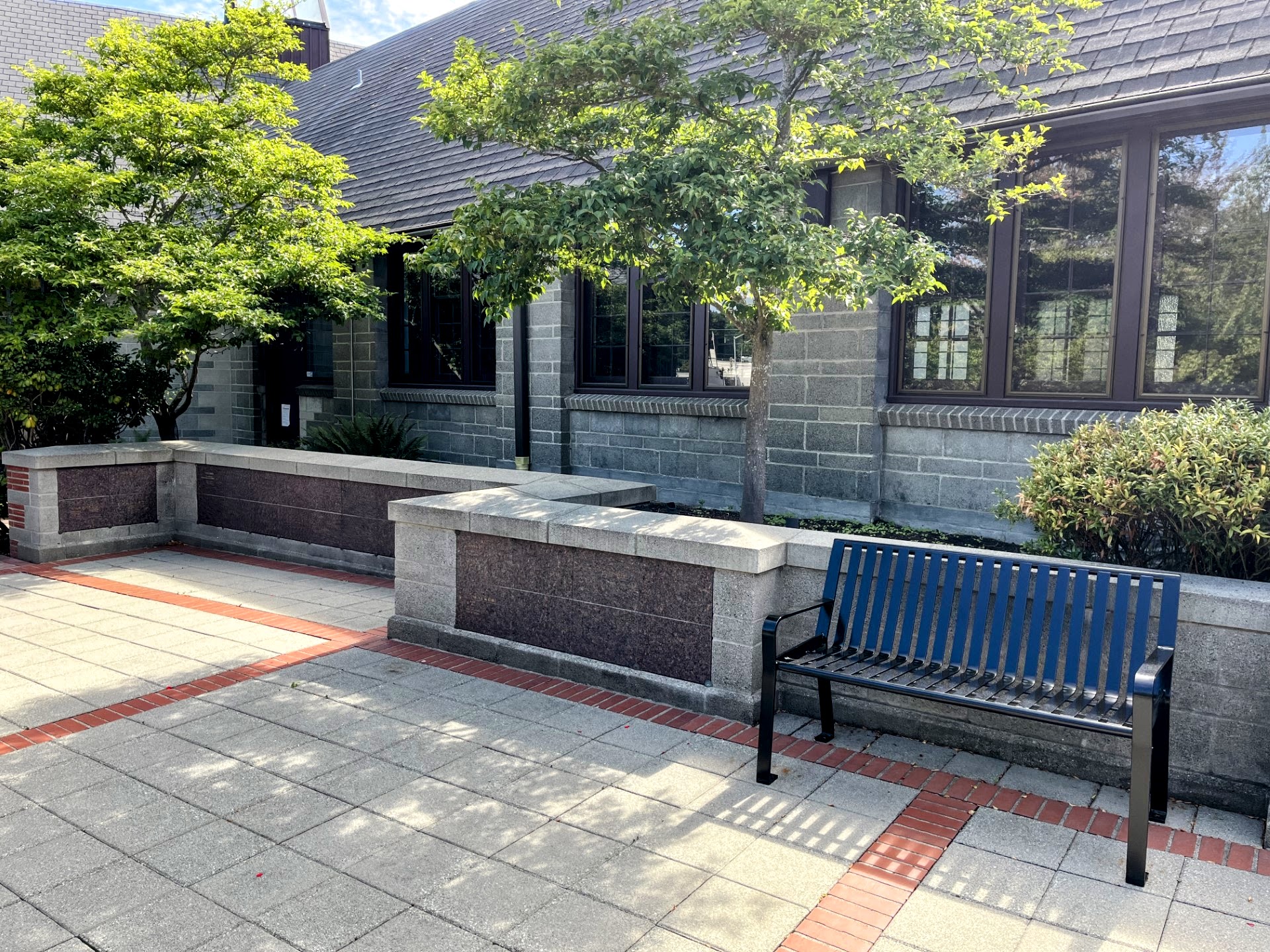
In 1990, The Rev. Dr. Charles D. Ridge was called to be rector. A substantial capital campaign was launched in 1996 to fund a tracker organ, to be designed and built by Paul Fritts of Tacoma, and the remodel of the chancel. The organ and chancel dedication were held in 1999. Ascension’s magnificent organ has won wide acclaim by noted organists here and abroad. Ascension Arts was formed in 2000 to present concerts to the wider community. The Rev. Ridge retired in June 2001. The Ascension columbarium was completed in 2002. The columbarium area serves as a welcoming courtyard and prayer garden for the church.

In 2003, The Rev Dorian L. Mulvey was called to be rector. The Deepening Faith capital campaign was launched in 2007 and completed in 2008. The Rev. Mulvey was called to another church in 2008. The Deepening Faith capital renovations funded by the successful campaign began in May 2010.
In 2010, The Rev. Canon. Dr. Marilyn M. Cornwell was called to be rector. Under her leadership, the parish deepened its commitment to hands-on engagement in outreach and attained status as a GreenFaith Sanctuary and Greening Congregation with a commitment to environmental stewardship. Marilyn served Ascension until her retirement in 2018.
In 2019, The Rev. Heather Wenrick was called to be Rector. Heather is a deeply thoughtful pastor, and preacher. She brings a passionate energy that breathes new life into centuries old stories and church practices, demonstrating the gifts of gathering and connecting people, vision, strategic leadership and embodying God’s unconditional love.
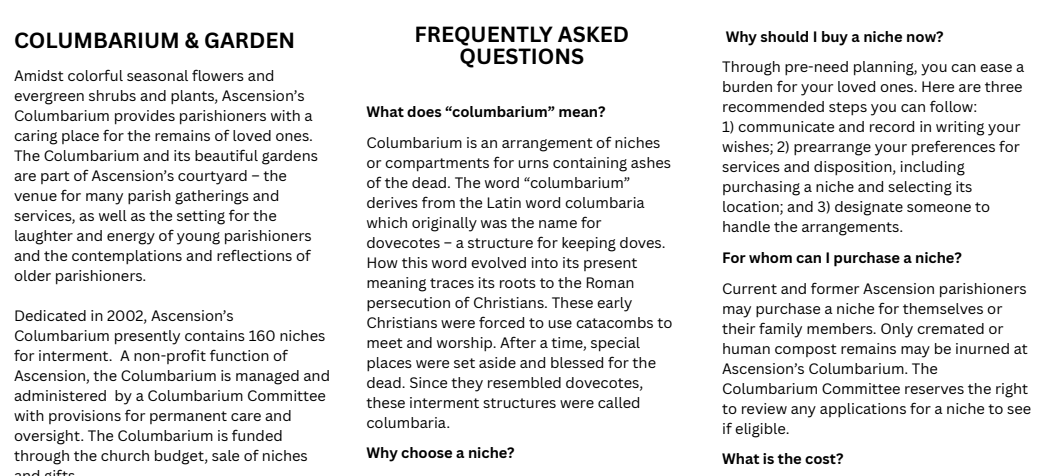
Amidst colorful seasonal flowers and evergreen shrubs and plants, Ascension’s Columbarium provides parishioners with a caring place for the remains of loved ones. The Columbarium and its beautiful gardens are part of Ascension’s courtyard – the venue for many parish gatherings and services, as well as the setting for the laughter and energy of young parishioners and the contemplations and reflections of older parishioners.
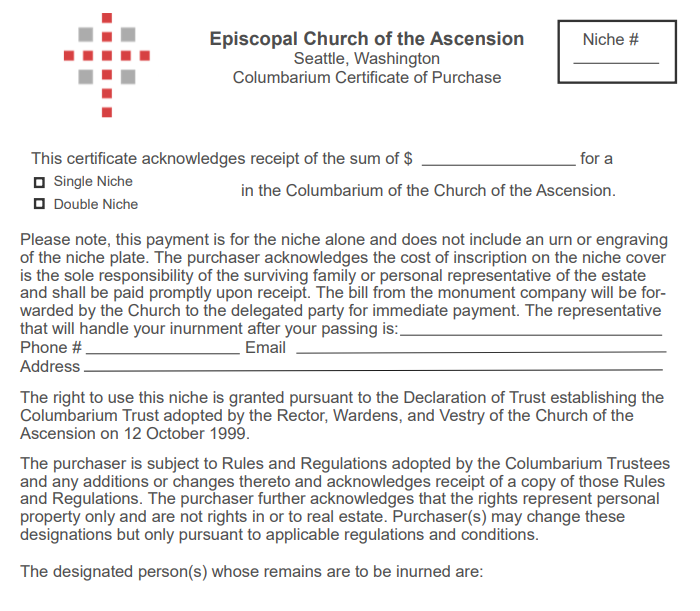
Dedicated in 2002, Ascension’s Columbarium presently contains 160 niches for interment. A non-profit function of Ascension, the Columbarium is managed and administered by a Columbarium Committee with provisions for permanent care and oversight. The Columbarium is funded through the church budget, sale of niches and gifts.
Current and former parishioners may purchase niches for themselves or their immediate family. Each purchaser has the option of selecting the exact location of his or her niche among the various areas of the garden.
As a member of Church of the Ascension, where the benefits of fellowship and the connectedness of spirituality have framed our parish family, you have the unique opportunity to perpetually retain this sense of community.
The parish is home to a tracker organ built by Paul Fritts & Company of Tacoma, Washington. The instrument is modeled on historic European organs and is known for its clarity of tone and responsiveness. It supports congregational song, accompanies the choir, and is integral to our worship.
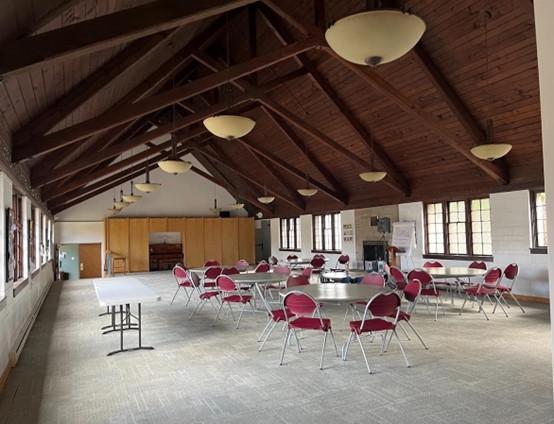
Our beautiful Sanctuary and Hall are wonderful settings for musical events, private gatherings or community meetings. Reach out to our office to find out more information on how to rent a space for your next function, office@ascensionseattle.org or (206) 283-3967.
Church of the Ascension Seattle acknowledges that we gather on the traditional land of the first people of Seattle, the Duwamish People, who are still here, and we honor with gratitude the land itself and the life and work of all the Coast Salish tribes.
The land upon which the Church of the Ascension stands was originally part of the broader territory used by Duwamish and related Coast Salish peoples, with evidence dating these indigenous communities in this location as far back as 4,000 years. Fort Lawton developed as a permanent army Garrison post in the late 1890s, bringing in many military personnel to the Northwest portion of Magnolia. In 1916 with the creation of the Hiram Chittendon Locks and the dredging of Salmon Bay, the indigenous communities largely left Magnolia. Early 1900s saw the area populated by dairy farmers and a few residents. In the 1930s, with the construction of the Garfield Street Bridge (later renamed the Magnolia Bridge) and the Dravus StreetBridge, access to the neighborhood improved and more families moved into the area.
For more information on the evolution of Magnolia, its original indigenous inhabitants, or the history of redlining in our neighborhood please visit:
The Free Online Encyclopedia of Washington State History
(linked to https://www.historylink.org )
Racially Restrictive Covenants Project — Magnolia Community Council
What is happening at Ascension Today ?